How Carthage’s Purple Ban Shaped Ancient Maritime Fashion
In ancient Carthage, a quirky sumptuary law reserved the coveted purple dye for the navy alone. This decree not only protected a lucrative industry but also gave Carthaginian sailors a distinctive sartorial edge that rippled across the Mediterranean.
Harsh Valecha
· 4 min read
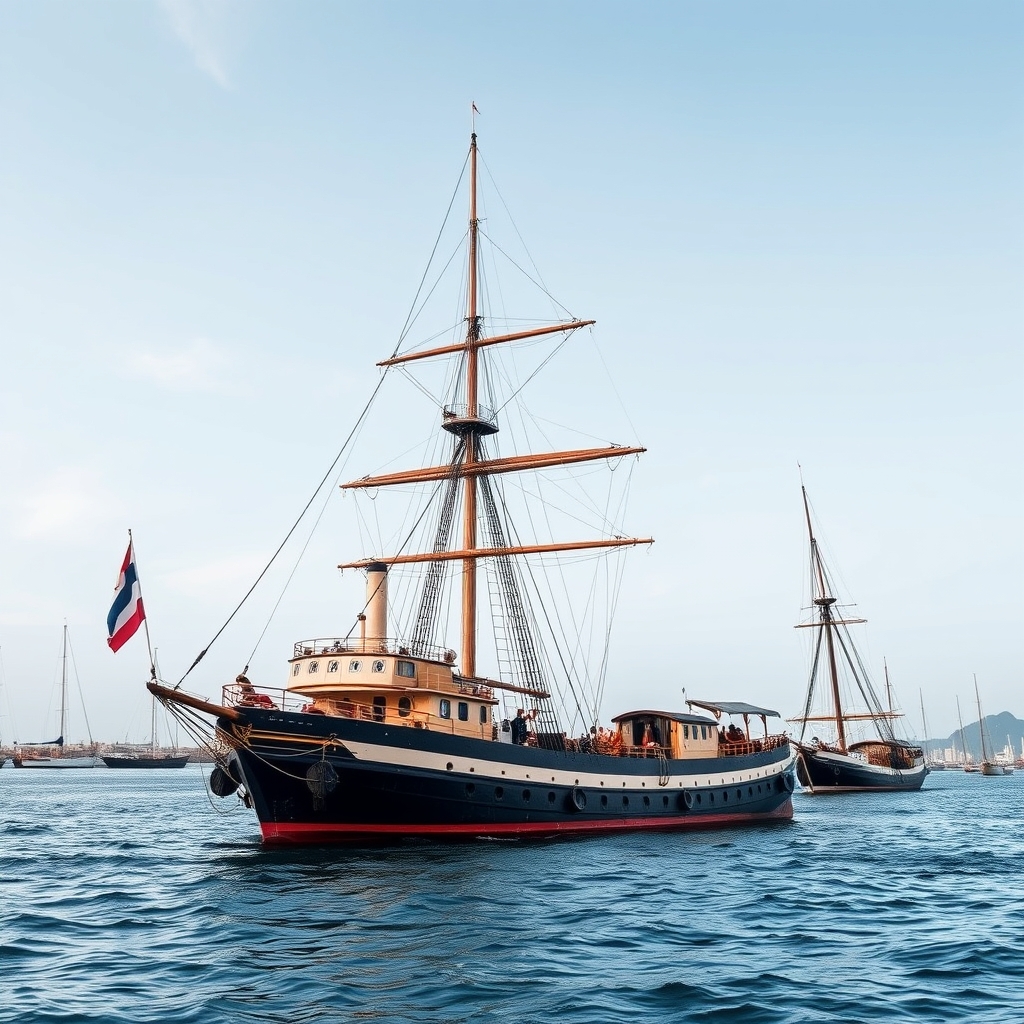
Imagine strolling through the bustling streets of ancient Carthage, the air thick with the salty tang of the sea and the faint, acrid scent of dye vats. Amid the clamor of merchants hawking olives, figs, and exotic fabrics, a single decree set the city’s fashion on a course as steady as its famed triremes: only the navy could wear the deep, imperial purple derived from sea snails. This bizarre law didn’t merely keep a lucrative trade in the hands of the state—it forged a visual identity for Carthage’s seafarers that would influence maritime fashion for centuries.
The Purple Puzzle: Why a Color Became a Commodity
Tyrian purple, extracted from the mucus of the Murex sea snail, was the most expensive dye in the ancient world. As archaeologists at the British Museum note, a single gram of the pigment could fetch the price of a modest house. The labor‑intensive process—requiring thousands of snails to produce just a few milliliters of dye—made the color a symbol of wealth, power, and divine right.
Because of its rarity, many Mediterranean societies imposed sumptuary laws to control who could display the hue. In Rome, for instance, only the emperor and his close circle were permitted to wear true Tyrian purple, a restriction detailed in a Roman legal code. Carthage, however, took a decidedly maritime turn.
The Law on the Deck: Carthage’s Naval Purple Edict
Around 250 BCE, Carthaginian magistrates enacted a sumptuary law that barred any civilian from wearing garments dyed with the coveted purple, reserving the shade exclusively for the navy. The decree was recorded on a bronze tablet uncovered in the harbor district of the ancient city, now housed in the National Museum of Tunis. The inscription reads, in translation: “Let the sea‑clad warriors bear the hue of the deep; let the merchants and plebeians dress in the colors of the earth.”
Scholars such as Dr. Leila Ben‑Youssef argue that the law served a dual purpose: protecting the state‑controlled dye industry from private profiteering and creating a visual brand for Carthage’s naval forces. As she explains, “The navy’s purple banners and trim acted as a floating advertisement for Carthaginian craftsmanship, signaling to allies and rivals alike that the ship belonged to a power that could command the sea and its most valuable commodity.”
Fashion on the High Seas: What the Navy Wore
Naval crews were issued a standardized uniform that blended practicality with prestige. The core components included:
- Purpurea cloacae – a short, woolen cloak dyed in deep violet, easy to wash and quick to dry.
- Marine-striped tunics – white linen undergarments with a single purple stripe along the hem, denoting rank.
- Purpureus sails – the ship’s main sail was often dyed a lighter shade of purple, visible from afar and serving as a morale booster.
These garments were not merely decorative. The dye’s chemical composition made the fabric more resistant to mildew—a crucial advantage in the humid Mediterranean climate. Moreover, the striking color helped sailors locate their vessels in crowded harbors, a practical benefit that reinforced the law’s utility.
Ripples Across the Mediterranean: Influence on Maritime Fashion
The Carthaginian navy’s distinctive look did not go unnoticed. Greek mercenaries hired by Carthage began adopting purple trims on their hoplite gear, while Phoenician traders in Sicily started offering “naval‑style” cloaks to wealthy patrons who could afford the luxury. By the 2nd century BCE, a modest trend had emerged: coastal towns across the western Mediterranean produced purple‑accented garments for fishermen and merchants who wanted to emulate the seafaring elite.
Even after Carthage’s fall in 146 BCE, the legacy persisted. Roman shipwrights in the province of Africa incorporated purple stitching into their sailcloth, and the Byzantine navy later revived the practice, citing Carthaginian precedent in a 6th‑century naval manual. This continuity underscores how a single legal edict can echo through centuries of maritime culture.
Today, the remnants of Carthaginian purple dye vats are being re‑examined with modern analytical chemistry. A recent study published in Journal of Archaeological Science confirmed that the dye’s composition matched the historic Murex extracts, validating ancient accounts and shedding light on the sophisticated state control that made the law possible.
Key Takeaways
- The Carthaginian law (c. 250 BCE) reserved purple dye for the navy, protecting a lucrative industry and creating a naval brand.
- Purple garments offered practical benefits—mildew resistance and easy ship identification.
- The navy’s distinctive fashion influenced broader Mediterranean maritime attire, persisting long after Carthage’s demise.
- Modern scientific analysis confirms the authenticity of the ancient dye, reinforcing historical narratives.
From the bustling docks of ancient Carthage to the sails of Byzantine galleys, the story of a single color illustrates how law, economics, and identity intertwine on the waves of history.
From History

How Meiji Japan's First Female Telegraph Operators Transformed Rural Communication
In the 1870s, pioneering women telegraph operators broke gender norms and stitched isolated villages into Japan’s national network. Their work accelerated rural modernization, reshaped daily life, and set the stage for the country’s rapid rise as a communications powerhouse.

How Silk Road Water‑Ladders Transformed Desert Trade
Desert caravans on the Silk Road faced a deadly scarcity of water until ingenious “water‑ladder” systems—Qanats, camel‑back reservoirs, and portable cisterns—revolutionized logistics. By the 2nd‑century CE these innovations cut mortality rates dramatically, turning perilous crossings into reliable trade routes.

Carthaginian Ghost Ships: Real Decoys That Outsmarted Roman Blockades
New archaeological and textual research shows that the legendary Carthaginian 'ghost ships' were sophisticated naval decoys, not myth. These floating ruses helped Carthage break Roman sieges and reshape ancient maritime warfare.